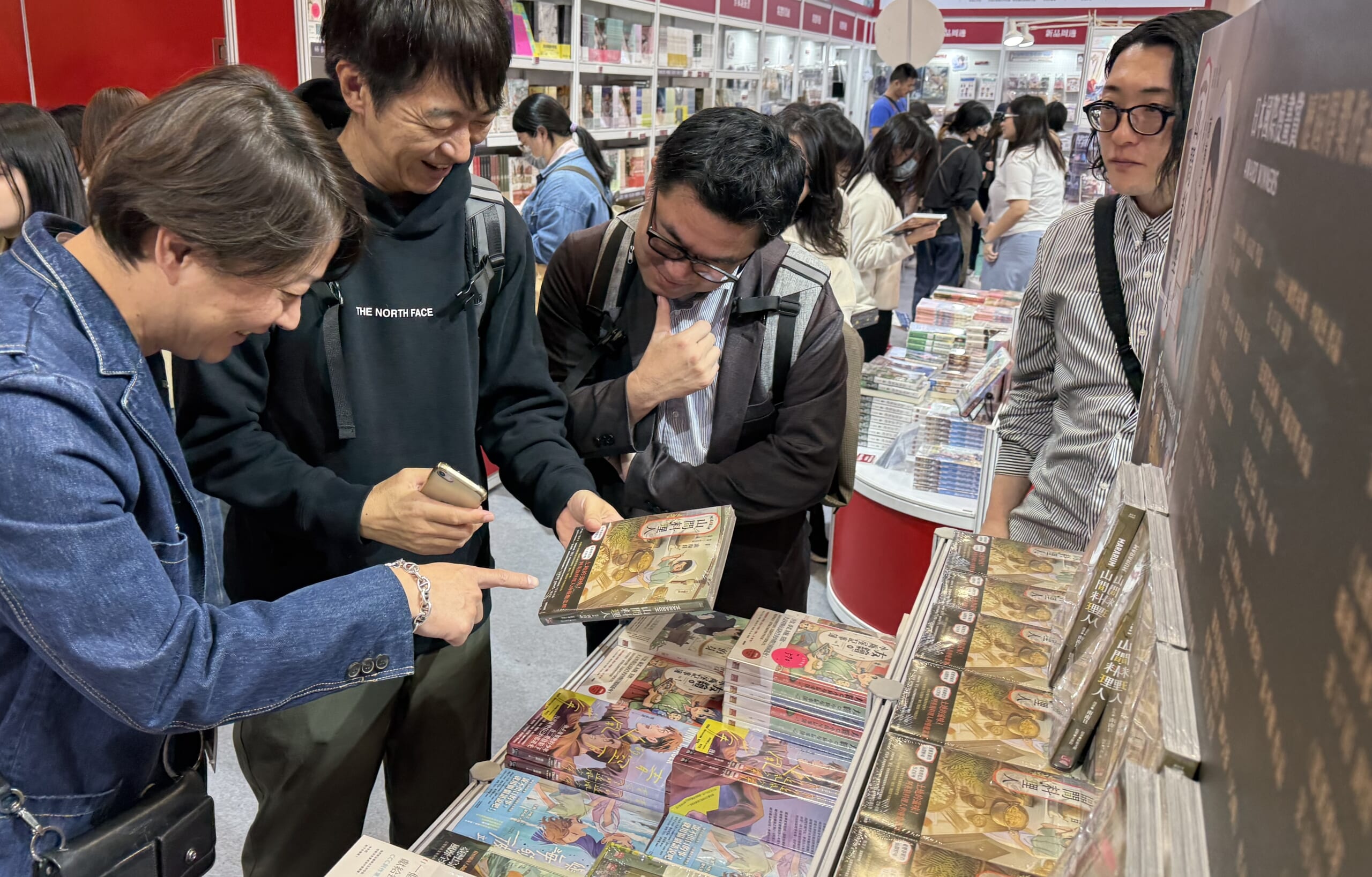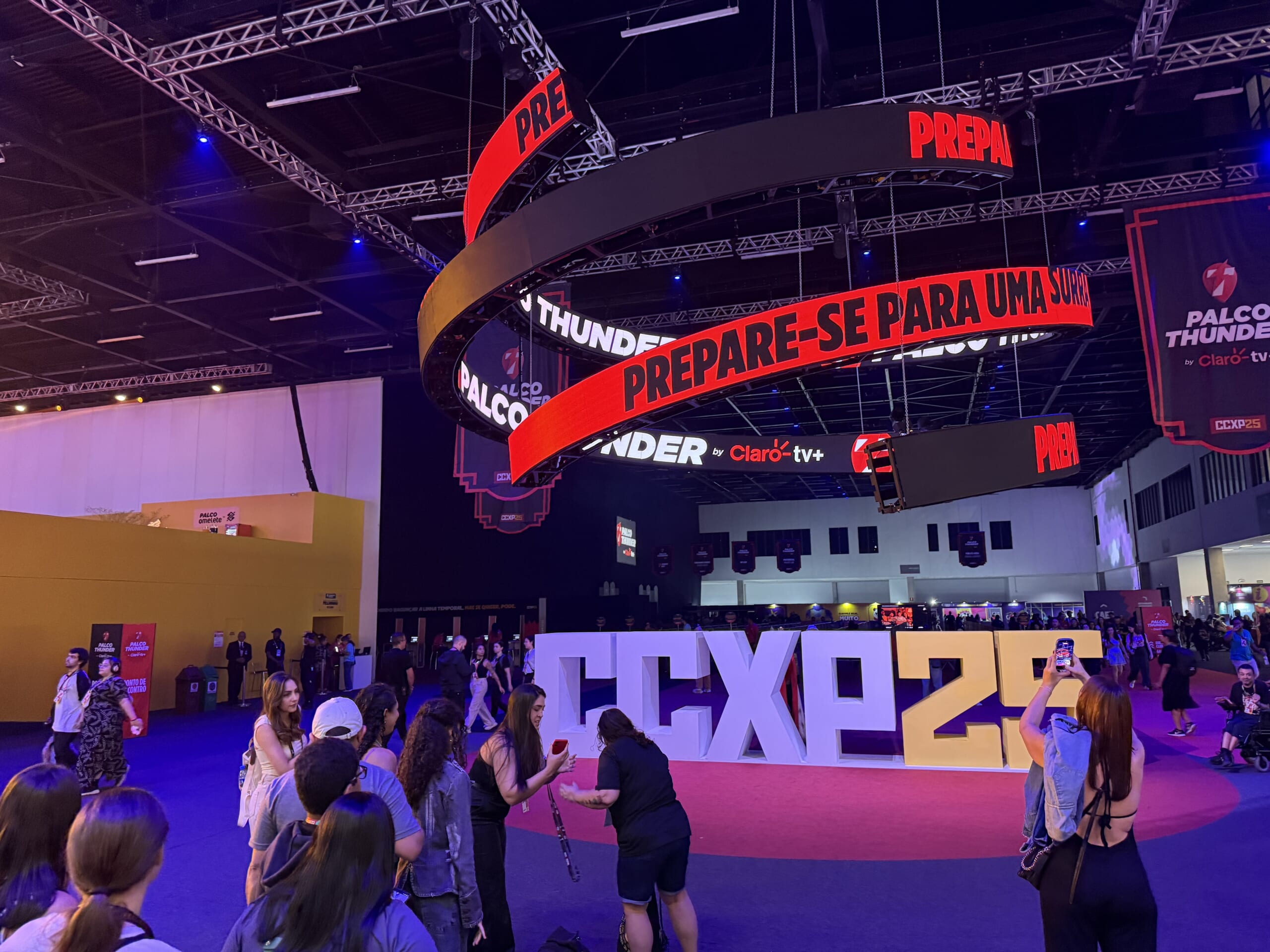
From December 4 to 6, 2025, G-MAP was in São Paulo for CCXP. We also visited the Japan Foundation and the city’s Japanese district.
Brazil’s manga market still appears to be driven largely by licensing: acquiring titles from overseas, translating them, publishing them and bringing them to local readers.
At the same time, publishers, event companies and local creators told us that translation alone is becoming a harder way to differentiate themselves. There is growing interest in creating original works and IP locally.
One idea we heard more than once was to tell Brazilian stories through the visual language and storytelling methods of Japanese manga. Event companies in particular were interested in longer-term projects that could extend beyond production to include launches, exhibitions and other ways of presenting the finished work.
There was also strong interest in Japanese manga education. Long-term study in Japan, however, was often seen as financially difficult because of differences in living costs, income levels and exchange rates.
This led to conversations about models that could be built around local participation instead: learning the fundamentals locally while receiving more advanced instruction from Japan, combining online co-production with short intensive programs, or inviting Japanese instructors to teach locally for limited periods.
One of the most interesting points raised during the visit was the question of what kind of talent is actually in short supply.
Several conversations suggested that the shortage may not simply be artists who can draw manga. There is also a need for people who can take a theme or plot and develop it into a long-form manga — editors and writers who understand structure, pacing and how to turn a story into pages and panels.
If that is the case, simply introducing an artist may not be enough. A team that can provide editing, writing and production management alongside the artwork may be more useful.
We would like to explore that possibility through a small, real project rather than drawing conclusions from the visit alone.