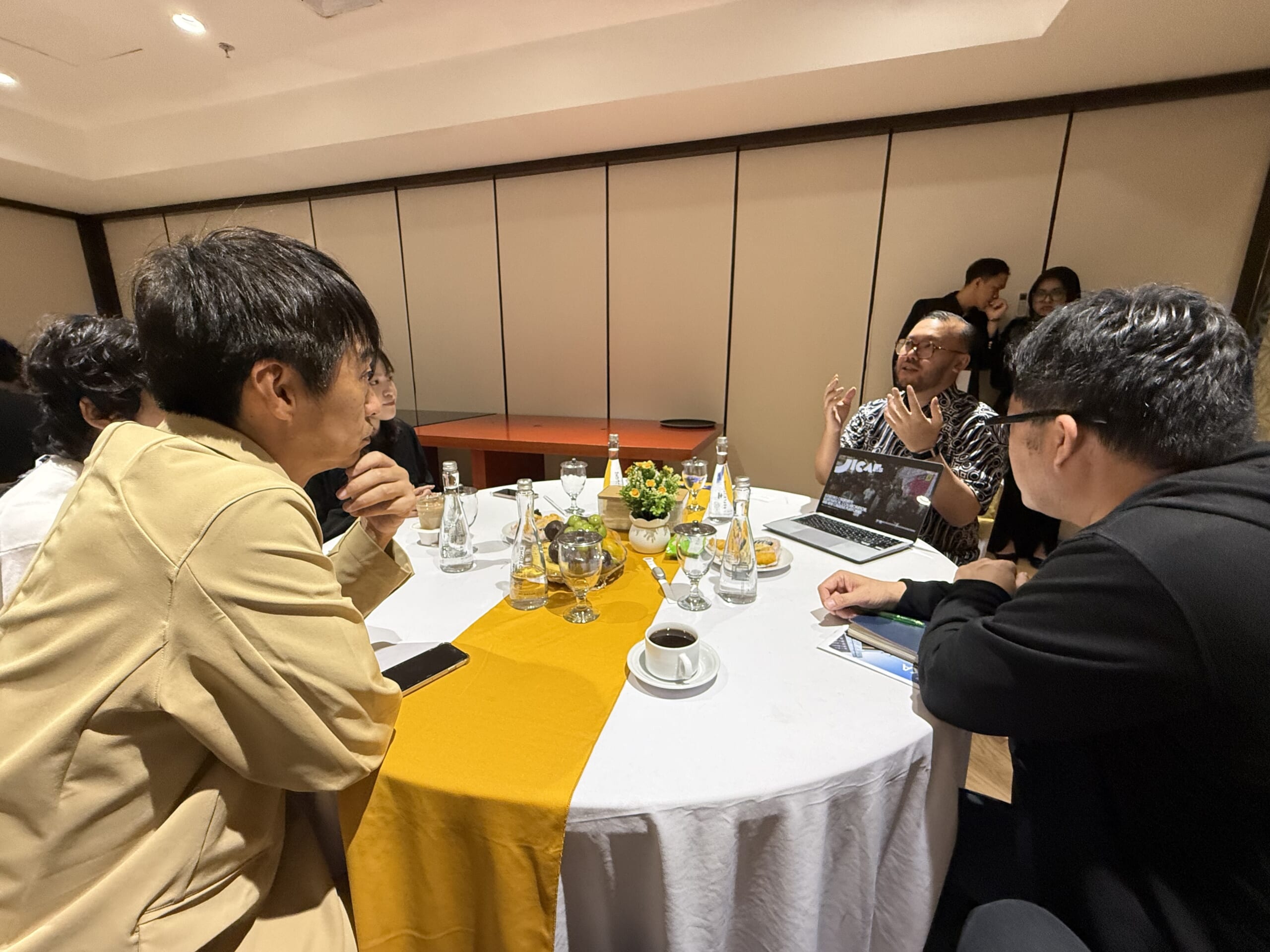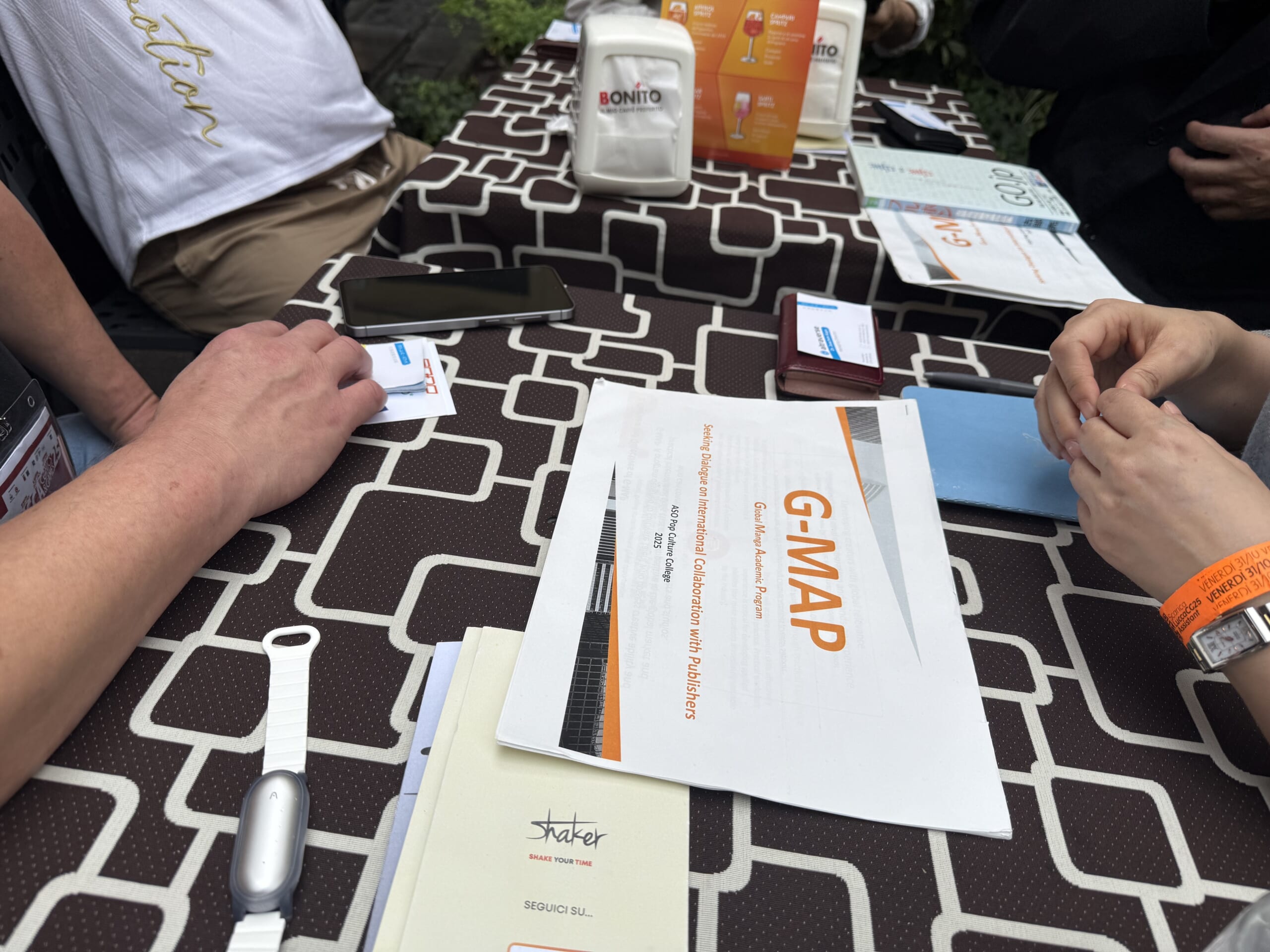
G-MAP attended Lucca Comics & Games from October 29 to 31, 2025. We also visited bookstores around the city to see what kinds of titles were actually on the shelves.
European readers enjoy a wide range of manga, but publishers seem to share some fairly practical expectations when it comes to commissioning professional work.
One point came up several times in our meetings: drawing ability alone is not enough. Publishers also look at how quickly an artist can work, how well they respond to revisions, and whether they can consistently produce the number of pages required.
It was encouraging to hear that an artist’s first opportunity does not necessarily have to be an entire book. A relationship might begin with a cover, move on to a short story, and eventually develop into a serialized work.
The Japanese side does not necessarily have to provide the original story either. We were told that a European writer providing the story while a Japanese artist handles the artwork is a perfectly workable model.
If students are going to pursue this kind of work, portfolio development alone will not prepare them for it. They also need experience working to deadlines, responding to feedback, making revisions and delivering finished work to professional specifications.
Contracts were another recurring topic.
European publishing agreements can involve practices that are less familiar to Japanese artists, including advances, milestone payments and different tax provisions. Several people told us that this is an area where artists working internationally for the first time often run into difficulties.
For that reason, contracts, rights and the basic business practices of international publishing should also have a place in professional manga education.