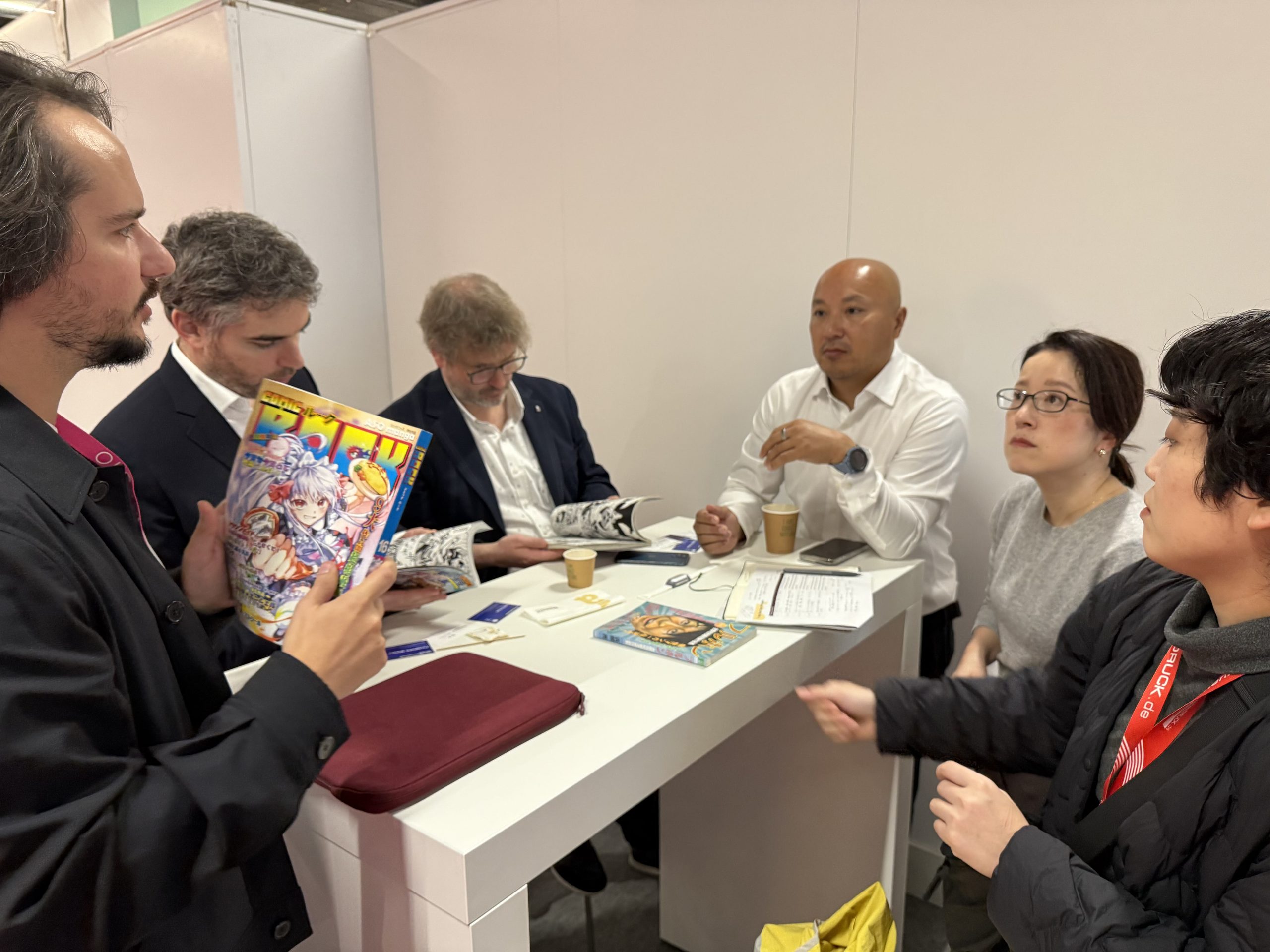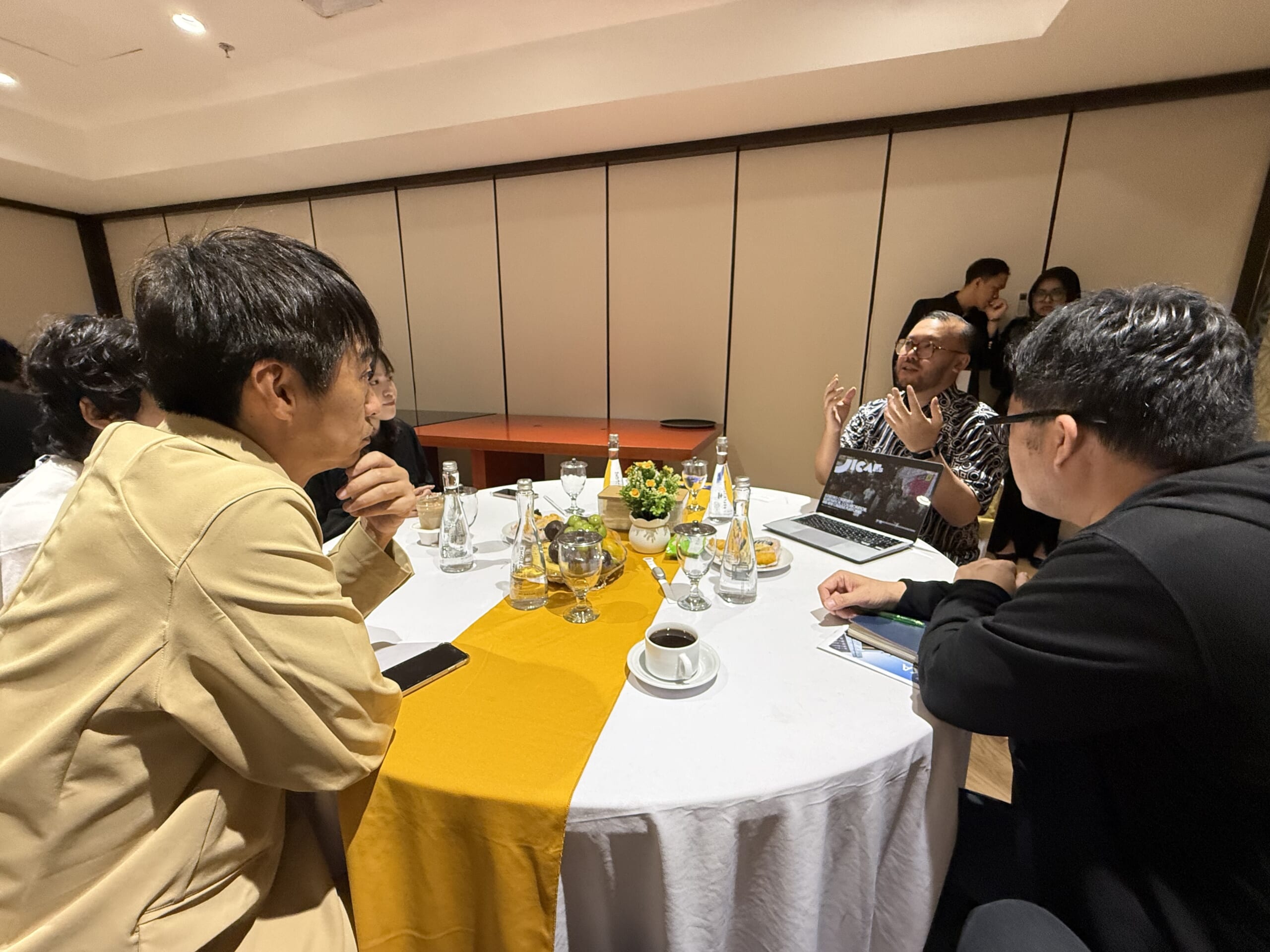
From October 23 to 26, 2025, G-MAP visited Jakarta Futura, Indonesia Comic Con and Artket. We also spent time visiting some of Jakarta’s major bookstores.
One question that stayed with us throughout the trip was what Japan can actually offer students in other countries.
Manga drawing skills are already being taught by local schools. What may be more valuable is the experience of having your work recognized outside your own country, or even seeing it lead to professional work. Experiences like these can build confidence and give young artists a reason to take on the next challenge.
If so, we may also need to think more broadly about how we measure the results of international education. Technical improvement matters, but it is not the only outcome worth looking at.
The visit also made us reconsider how we use the word “exchange.”
From what we saw and heard, simply bringing students together does not necessarily lead to a lasting relationship. Students on each side may be looking for very different things.
Creating opportunities for students to meet working editors, artists and other industry professionals seemed more useful. These conversations also work better when students already understand some of the basics of the industry — how the business works, how contracts and rights are handled, and what professional work is typically worth.
We also came away with the impression that Southeast Asia and Europe may be looking for different things from Japan.
In Europe, we met publishers interested in creating new manga in their own markets together with Japanese artists. In Jakarta, the conversations leaned more toward education: shared curricula, common assessment standards and collaboration with mentors.
Rather than treating different regions as if they have the same needs, we should look more closely at what kind of partnership makes sense in each market.