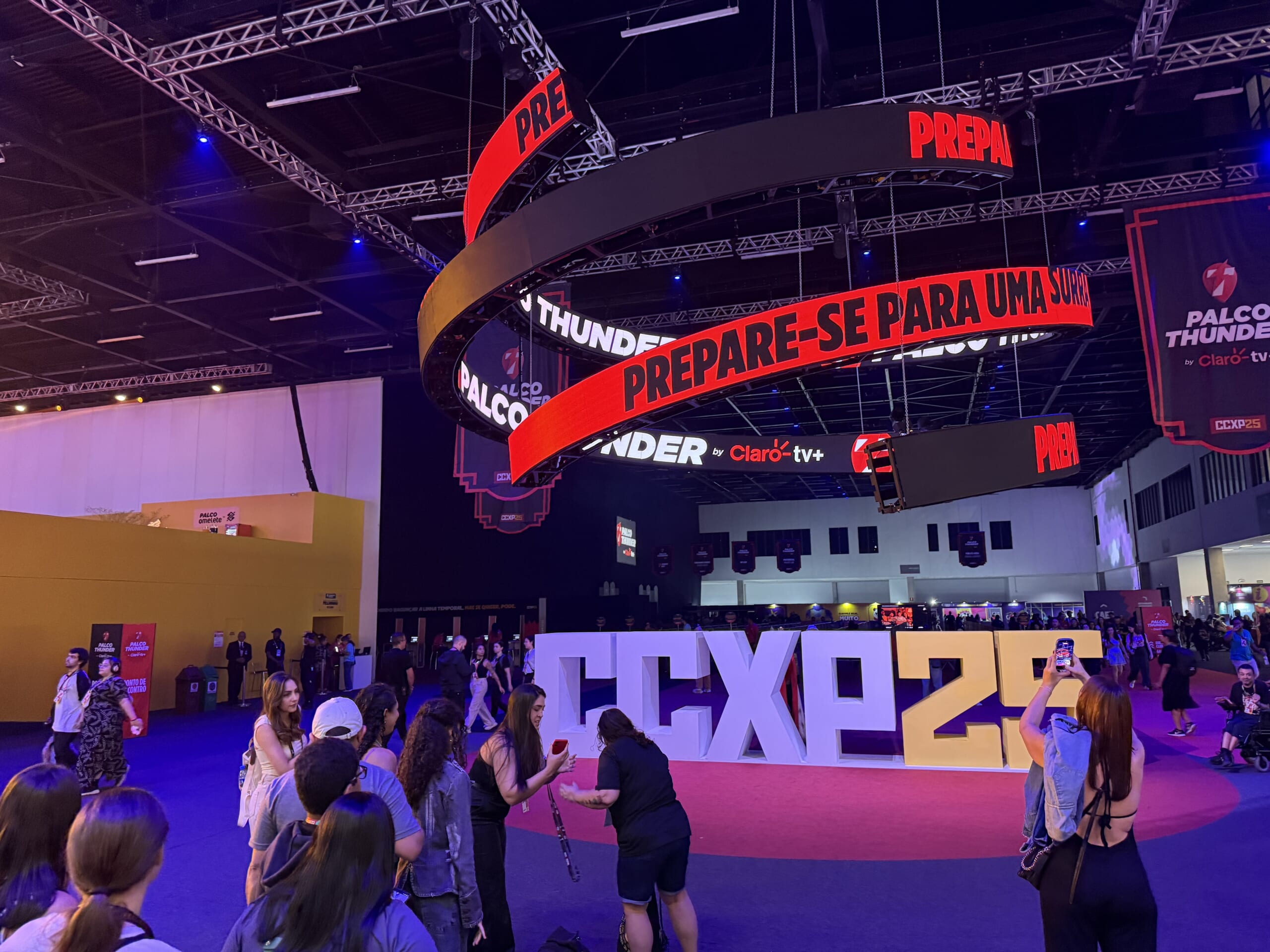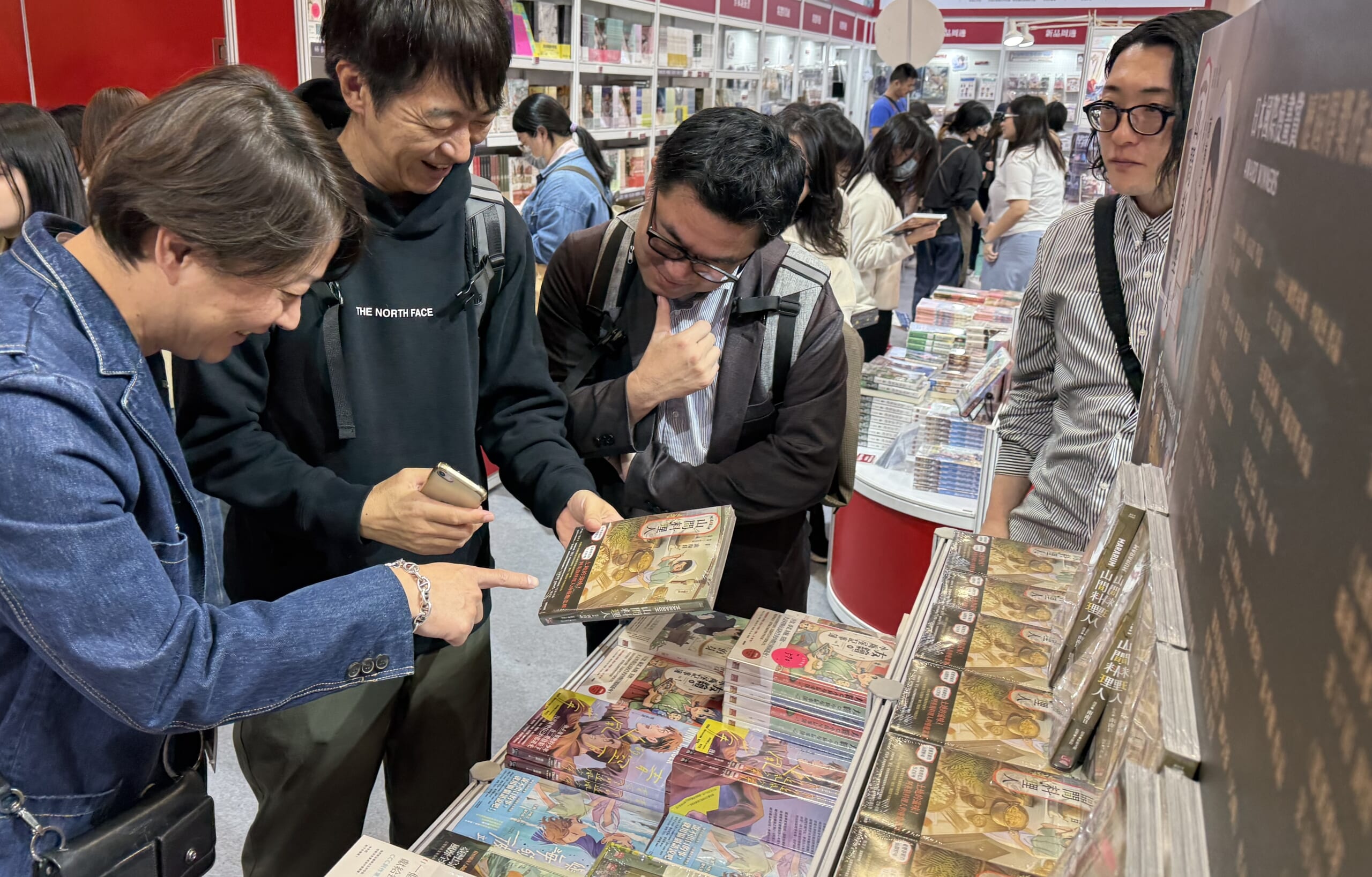
From February 5 to 7, 2026, G-MAP visited the Taipei International Book Exhibition, Taipei International Comics & Animation Festival and Fancy Frontier. We also spent time in major bookstores looking at manga sections and sales rankings.
Japanese manga has an enormous presence in Taiwan. Japanese titles occupy a large share of both bookstore shelves and rankings, and they appear to have a strong influence on what readers expect from manga.
Taiwanese original works therefore do not seem to exist in a separate market. They are competing for many of the same readers as Japanese titles.
We also noticed a number of Taiwanese works drawing on local history and culture, which may be one way for local creators to distinguish their work from Japanese manga.
There is substantial public investment in developing manga artists. Both the central and local governments have programs supporting creators, although a dedicated educational framework for manga still appears to be developing.
These public programs are generally designed for Taiwanese individuals and organizations rather than overseas schools or companies. Any educational partnership between Taiwan and Japan therefore needs to be built around Taiwanese talent.
One possible model would be for Taiwanese students or young artists to study in Japan and then bring what they have learned back into Taiwan’s manga industry.
Another issue that stood out during the visit was the role of people working between artists and publishers.
In Japanese manga publishing, editors play a major part in developing a series, working with artists on revisions and responding to reader feedback. In Taiwan, we heard that there are not enough editors with this kind of experience.
Publishers we spoke with were not simply saying that they needed more artists. They also described a need for people who can develop a series, manage revisions and work through the many decisions that have to be made before a contract and production can move forward.
At this stage, we cannot say whether this is true across the Taiwanese industry or reflects the particular companies and people we met. It is something we would like to explore further through continued conversations in Taiwan.